
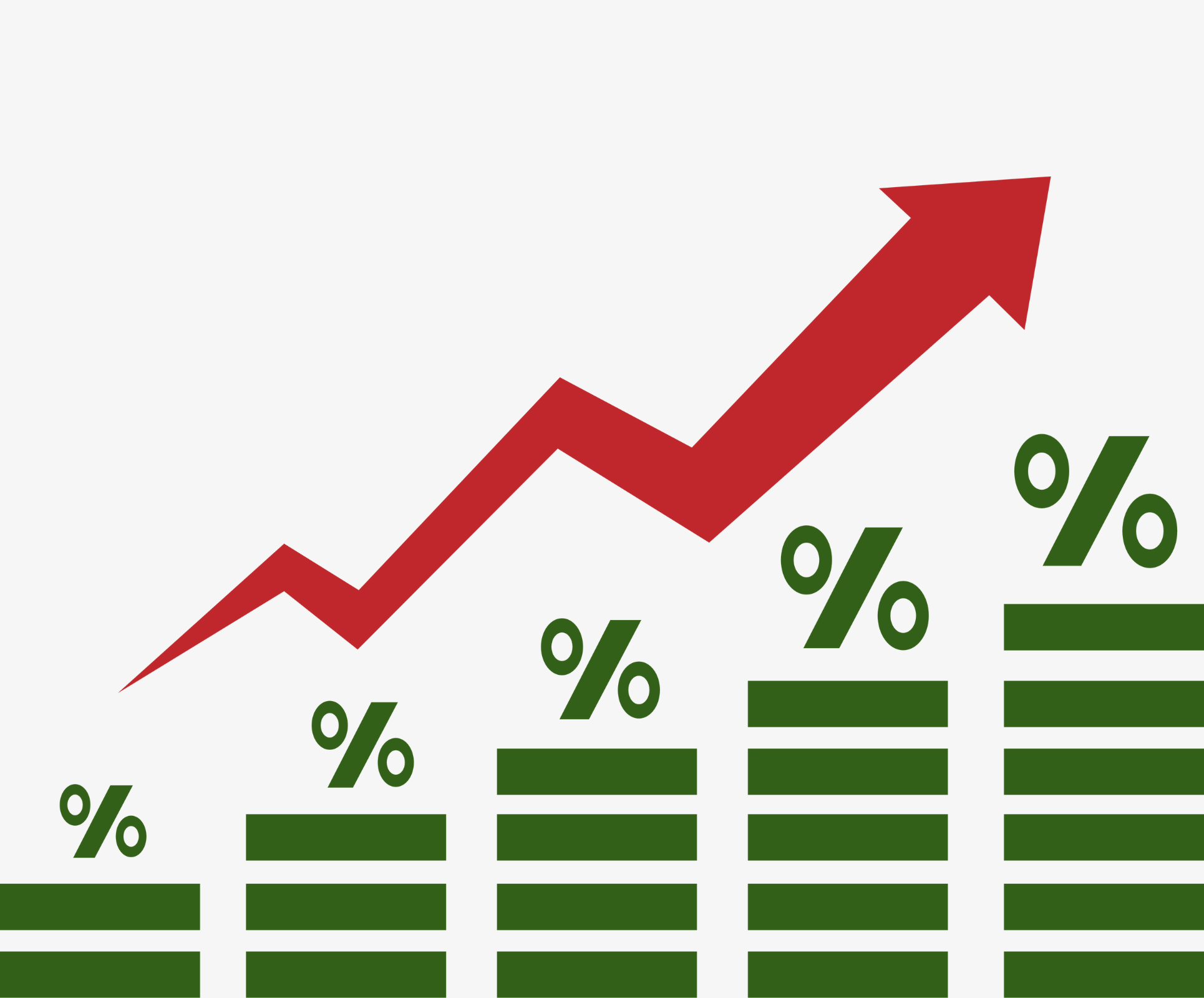
5 Powerful Ways Inflation Impacts SMEs and How to Tackle It
Inflation refers to the gradual rise in the prices of goods and services over a specific period. As costs increase, consumers tend to reduce their purchases. While many view it negatively, inflation is a constant occurrence. For example, the purchasing power of $100,000 saved in 2002 would be significantly diminished by 2022.
Small businesses feel the pressure, needing to decide between raising prices and risking customer loss or taking loans to cover expenses and preserve profit margins. During the pandemic, over 80% of small businesses raised prices to survive, while others resorted to drastic cost-cutting measures to stay afloat and protect their financial stability.
SMEs often exhibit several signs when they have been impacted by inflation. Here are some common indicators:
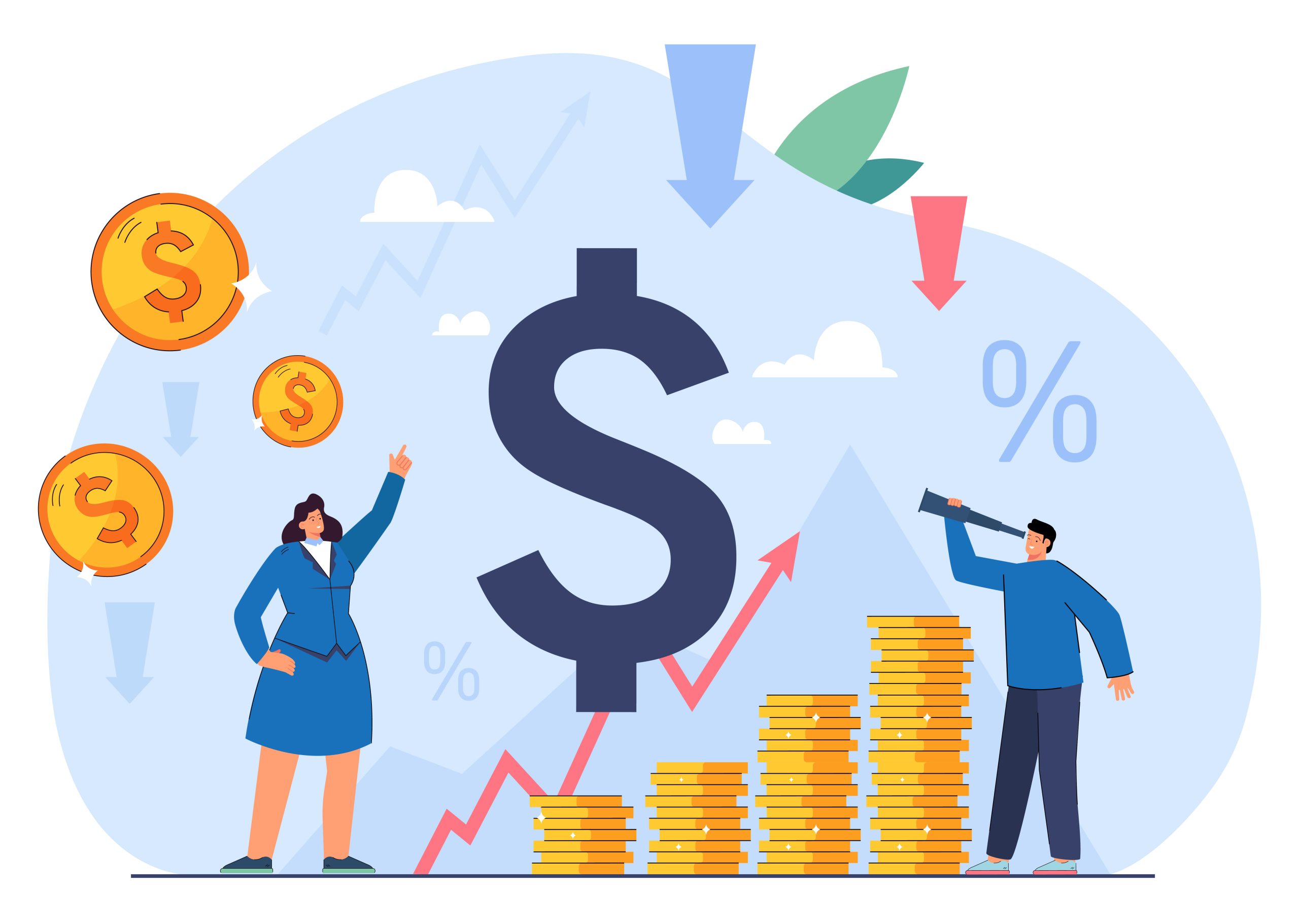
Higher Costs
Since the pandemic, many small businesses have faced escalating costs across various operational areas. According to Business.org, 92% of small-business owners have reported increased expenses, with 26% seeing costs rise by 20% or more. The price hikes have affected everything from raw materials to essential supplies and services. Small businesses that rely on these inputs face squeezed margins, impacting their cash flow and overall profitability. As prices for goods and services rise, businesses are forced to absorb these higher costs or pass them onto consumers. The result is often reduced financial flexibility, making it harder to maintain long-term growth and sustainability.
Pricing Adjustments
To cope with rising costs, many small businesses have been forced to raise their prices in order to protect their profit margins. While this is a common response, it presents its own set of challenges. Consumers, who are already feeling the squeeze from higher prices, may not be willing to accept price hikes, resulting in a potential loss of customer loyalty or sales. Small businesses must carefully balance their pricing strategy to ensure they remain competitive while protecting their bottom line.
Decreased Consumer Demand
As inflation causes prices to rise, consumer spending patterns typically shift. With the cost of living increasing, many customers become more cautious in their purchasing decisions, particularly for non-essential items. This shift in spending behavior often results in a noticeable decline in demand for certain goods and services. For small businesses, this decline in demand can be a significant challenge, leading to reduced sales and revenue. As purchasing power shrinks, businesses may find it difficult to maintain their previous sales volumes, resulting in lower profits and potential cash flow problems. Adapting to these changes and offering value can help businesses maintain customer loyalty during tough times.

Narrower Profit Margins
Inflation puts pressure on profit margins, as rising costs often outpace businesses’ ability to raise prices proportionally. For many small businesses, this results in tighter financial conditions and reduced profitability. With costs increasing for materials, labor, and services, businesses are left with less room to maneuver. In cases where price increases are unfeasible, many businesses find themselves absorbing the extra costs, leading to slimmer margins. This also makes it harder for businesses to invest in growth or cover unforeseen expenses, ultimately stalling business expansion. Small businesses must continuously assess their financial health and consider strategic changes to maintain sustainable profit margins in an inflationary market.
Industry-Specific Impact
The impact of inflation can differ across industries, with some sectors being more susceptible to cost increases than others. For instance, manufacturing businesses that rely heavily on raw materials or international supply chains may face higher costs due to supply chain disruptions and rising material prices. On the other hand, service-based industries might not see direct cost increases but could still experience decreased demand as customers cut back on discretionary spending. Businesses must monitor inflation’s effects within their specific industry to ensure they are prepared for the challenges it brings. Adapting to sector-specific challenges can help businesses navigate inflationary pressures effectively.
But now, let's dive into some exciting ways and helpful tips for SMEs to tackle inflation head-on:
Ways for SMEs to Deal with Inflation

Introduce Automated Processes
Embrace the power of automation by integrating Xero into your business operations. Xero offers a cloud-based platform that streamlines routine tasks such as bookkeeping, invoicing, order management, and payroll. By automating these administrative functions through Xero, you not only save time but also reduce human error, leading to better accuracy and efficiency. This shift allows your team to focus on more strategic, value-added activities, such as customer engagement and business growth. As a result, Xero helps reduce production costs, increase operational efficiency, and improve overall productivity. For small businesses, leveraging Xero's automation tools can be a game-changer in overcoming inflation’s impact on resources and workload.
Trim Unnecessary Expenses
In times of inflation, carefully assessing and trimming unnecessary expenses is crucial for keeping your business profitable. At Accounting Superhero, we offer detailed financial analysis and advisory services to help you identify cost-saving opportunities without sacrificing quality. Whether it’s negotiating better terms with suppliers, cutting back on excessive overheads, or finding alternative cost-effective solutions, our team can guide you. By working with us, you’ll receive actionable insights that can lead to smarter financial decisions, enabling your business to navigate inflation with confidence while maintaining healthy cash flow.
Prioritize Cash Flow
Cash flow is the lifeblood of any small business, and Accounting Superhero helps you manage it effectively, especially during inflationary periods. With our expertise in cash flow management, we can help you establish strategies like offering early payment discounts, negotiating flexible payment terms with clients, or requesting upfront deposits on larger projects. Additionally, we’ll assist you in setting up Xero to track your cash flow in real-time, ensuring you have visibility over your financial health. With Accounting Superhero’s support, you can improve cash flow stability, which is critical for thriving in a challenging economic environment.
These strategies empower small businesses to thrive amidst inflationary challenges. By following these tips, you can navigate the complexities of inflation while securing a stronger future for your business!
Final Thought
Inflation can present significant challenges for small businesses, but with the right tools and expert support, you can mitigate its effects. By integrating Xero’s automation features and leveraging the financial expertise of Accounting Superhero, you can streamline your processes, save costs, and protect your profit margins. We’re here to help you navigate inflation and keep your business strong, no matter what challenges arise.
Let Accounting Superhero support you in ensuring your financial health remains robust, allowing you to focus on what matters most—growing your business!