Closing a company involves more than filing a strike-off application with ACRA. From settling tax and GST obligations to preparing final accounts and maintaining required records, proper company closure ensures a smooth and compliant dissolution.


Closing a company involves more than filing a strike-off application with ACRA. From settling tax and GST obligations to preparing final accounts and maintaining required records, proper company closure ensures a smooth and compliant dissolution.
By knowing which XBRL template applies, keeping your financial information accurate and consistent, and validating your submission before the deadline, Singapore businesses can avoid unnecessary delays and stay on top of their ACRA compliance obligations.

Going digital does not have to be a huge investment. With government grants like PSG, SMEs can adopt cloud accounting solutions such as Xero more affordably, making it easier to streamline everyday operations.

While AI can significantly improve efficiency, it does not eliminate the need for financial oversight. In fact, for audit-exempt companies, maintaining visibility over your financial records may be more important than ever.

Want to know how you can pay less on taxes? Whether you are an employee or have income outside of it, here’s how you can do it!

Under the Willing Buyer, Willing Seller principle, businesses in Singapore are not always required to accept cash payments if both parties have agreed on the payment method.
Want to know how you can pay less on taxes? Whether you are an employee or have income outside of it, here’s how you can do it!
For Singapore companies planning to establish a subsidiary or back office in Malaysia, understanding how these audit exemption rules work in 2026 can help shape smarter incorporation decisions from the very beginning.

Cash payment disputes are more common than you think. Understanding legal tender could be the simple fix your business is missing.

Poor performance can quickly impact productivity, customer relationships, and team morale—but cutting pay isn’t an option under the law. If salary deductions aren’t allowed, what can employers do instead?

Salary deductions can easily become compliance issues if handled wrongly. Singapore’s Employment Act strictly limits what can be deducted, so understanding the rules is essential to protect both your business and employees.

An AGM isn’t just a legal formality — it’s a chance to share vision, build trust, and strengthen credibility. Here’s how Singapore businesses can turn it into a strategic advantage.
E-Invoicing is changing how Malaysian businesses manage invoices. By 2026, all companies — big or small — must adopt it under the Inland Revenue Board’s (IRBM) plan to digitalise the economy and improve tax efficiency.

E-invoicing is becoming the new normal in Singapore. Through InvoiceNow, invoices can be sent directly between accounting systems—no manual entry, no PDFs, no lost emails. It’s not mandatory yet, but starting early can save you time, money, and stress later.

Planning to grow your business in 2025? Singapore offers a range of government grants to help SMEs boost productivity, innovate, and expand globally.

Think your business doesn’t need an audit? Think again. Miss a step, and you could face penalties, lose credibility, or fall out of compliance without even realising it.
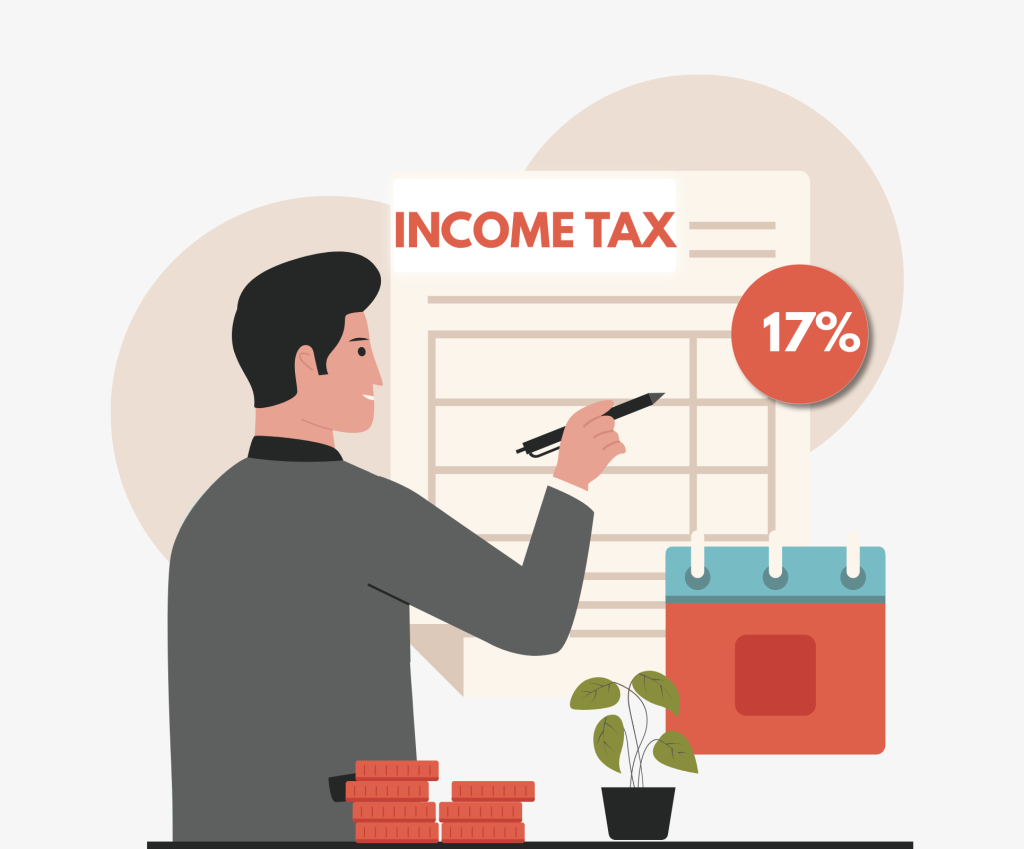
Singapore’s 17% corporate tax rate is just the beginning — discover YA 2025 updates and new savings schemes your business can’t afford to miss.
Whether you’ve just incorporated your company or are steadily growing your customer base, one thing is certain—tax will play a significant role in your financial journey.

Salary, Fees, or Dividends? What’s the best way for a Company Director to pay themselves while saving on taxes? Discover James’ dilemma and the smartest option for business owners!

Ever wondered how AI is reshaping bookkeeping in 2024? Explore the enhanced roles of accountants, automated data entry, and real-time reporting through AI and how it can enhance software technologies like Xero and Hubdoc.

For businesses operating in Singapore, staying informed about GST regulations is essential to maximising tax benefits while avoiding costly penalties.

The Auto-Inclusion Scheme (AIS) in Singapore simplifies employee income reporting by allowing employers to submit earnings online, reducing errors and saving time. Read on to learn who must participate, how to register, and what details to submit.

Wondering why accurate financial records are more critical than ever in today’s fast-paced business world? Stay compliant with ACRA and IRAS regulations!
Form B/B1 is an essential tax return form for Singaporeans with diverse income sources outside regular employment. For Singaporeans with complex income streams outside of regular employment, understanding these forms is essential.

An AGM is an important moment for a company to showcase its financial health to shareholders and address any questions or concerns they may have. In Singapore, all companies are required to hold AGMs as part of their corporate governance.
Filing Form C with Singapore’s IRAS can be challenging for businesses. Here’s a quick guide on Form C, including its purpose, deadlines, and available forms!
Meeting ACRA’s standards is vital to avoid penalties and maintain trust. This article outlines directors’ duties, ACRA’s FRSP, and steps to ensure transparency and protect your company’s reputation.

Struggling to manage your company’s Estimated Chargeable Income (ECI) and meet tax deadlines? You are not alone, but with proper guidance, you can navigate these challenges effectively!

Hiring your first employee is a significant milestone, but it comes with its share of headaches. But with the right knowledge and tools, you can navigate these complexities smoothly.
In business, compliance with regulatory requirements is vital for success and longevity. A key aspect is appointing a company secretary and auditor, as mandated by ACRA. Let’s explore their roles and address some important questions.

Discover the hidden significance of the Notice of Assessment (NOA) from IRAS! It’s more than just a tax bill—it’s a key document with crucial implications for individuals and businesses in Singapore. Dive deeper into its importance in Singapore’s tax system.
Comprehending income tax returns holds significant importance for every Singaporean. It transcends mere routine activity; rather, it plays a vital role in effectively managing finances and meeting governmental obligations.
Singapore has implemented a GST rate increase to 9% from January 1, 2024. Wondering how this affects prices? Click the link below to find out more about the shift in pricing for 2024!

Small and medium-sized businesses often start as one-person shows, but as they grow, managing HR becomes complex. Dealing with benefits, payroll, and conflicts feels like a puzzle. Enter Accounting Superhero – your ally in boosting HR capabilities!

Today’s businesses face a challenge: meeting the evolving demands of a modern workforce. Let’s explore the choice between full-time teams and outsourcing, reshaping your business strategy.

Financial stability is vital for businesses, and the Chief Financial Officer or as known as CFO ensures every department contributes to success. At Accounting Superhero, we advocate for the importance of having a CFO!

Navigating Singapore’s thriving business scene has been lucrative. As a pioneering entrepreneur, you might have begun as a one-person but as success grows, managing everything alone becomes tough. Incorporation offers valuable benefits for this transformation.
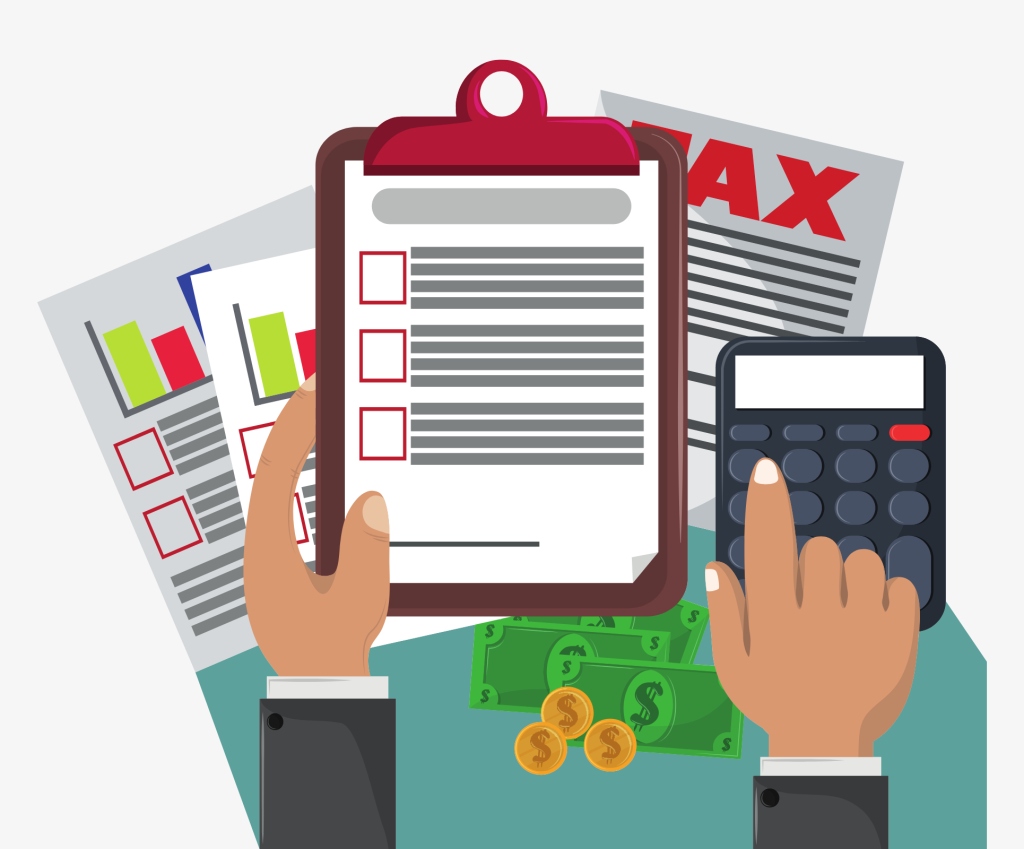
Tax season can be overwhelming for small business owners, with GST submissions adding to the burden of paperwork, receipts, and calculations. Say goodbye to endless trips to the tax office – with Xero’s incredible F5, tax time just got easier!
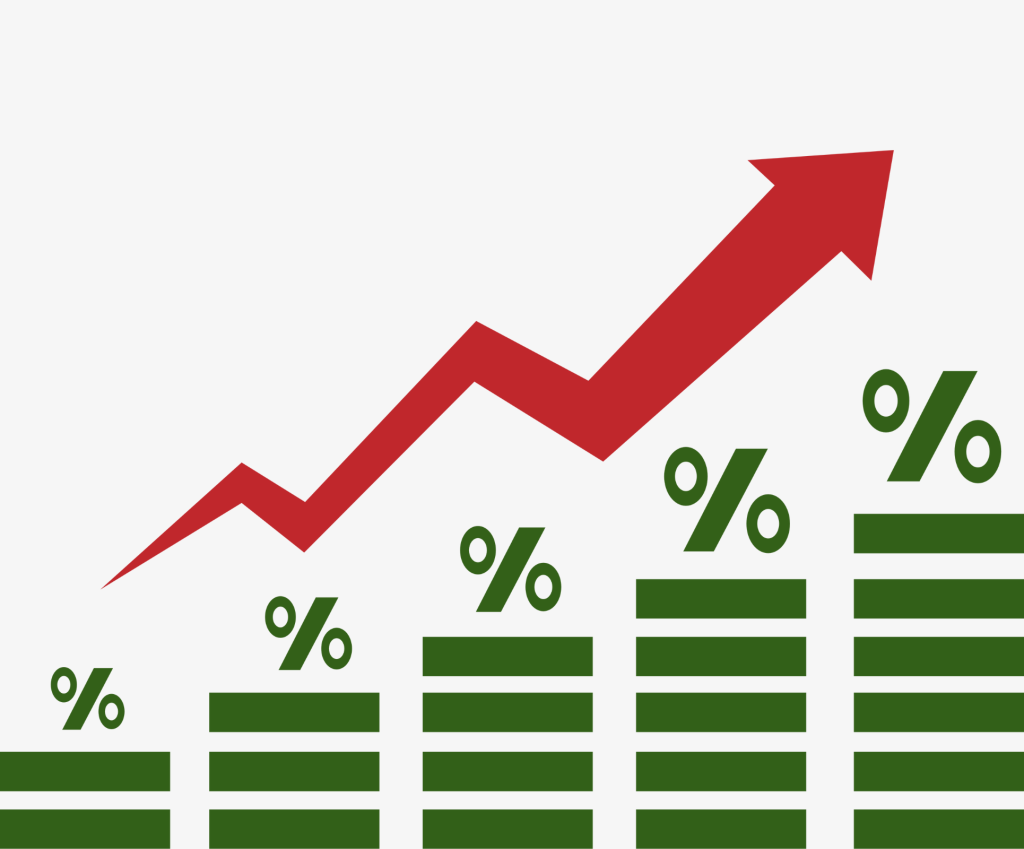
When the prices of goods and services steadily rise, consumers naturally become more cautious with their spending. But what exactly is inflation, and how does it impact small businesses?
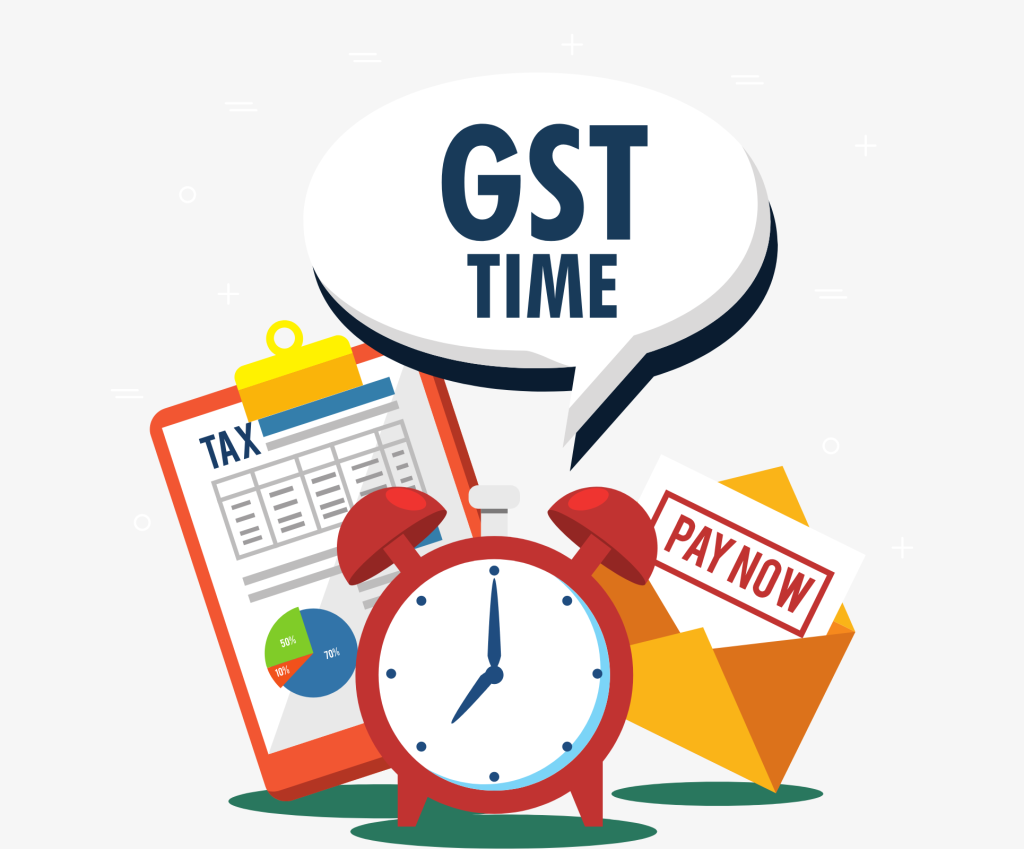
In budget 2022, the Minister for Finance, Lawrence Wong announced that the second GST rate will be increased from 8% to 9% with effect from 1 Jan 2024. Do you think you are well-prepared for the next upcoming GST increase in Singapore?

Although having a bookkeeper and a tax filer is a must, when do you decide it is time for a Chief Financial Officer (CFO)? What are the importance of a CFO and will their role evolves as your business grows?
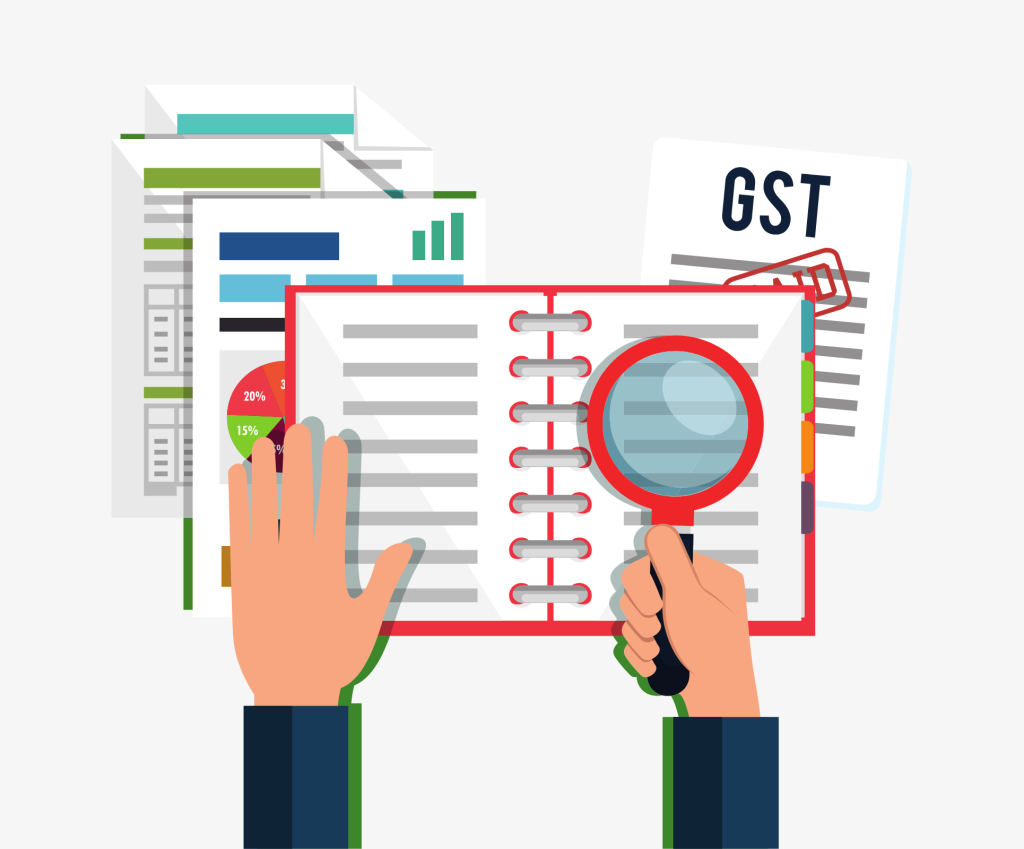
In the 2022 budget announcement, Singapore’s Minister for Finance announced the GST rate will increase from 7% to 8% on 1 January 2023, and from 8% to 9% on 1 January 2024. Read more and find out how you can adjust your tax rate in Xero.

Singapore is a tiny island city-state in Southeast Asia. It’s an easy place to start a business, but this might not be the case if you happen to be a foreigner who has never before started a business here. Read on to find out more about the process and procedures to start a business in Singapore!

If you’re in charge of or managing a Social Service Agency (SSA) in Singapore, you might want to consider beginning a digital transformation for your organisation now. Let’s take you through how Tech-n-Go might be helpful for you and your organization.
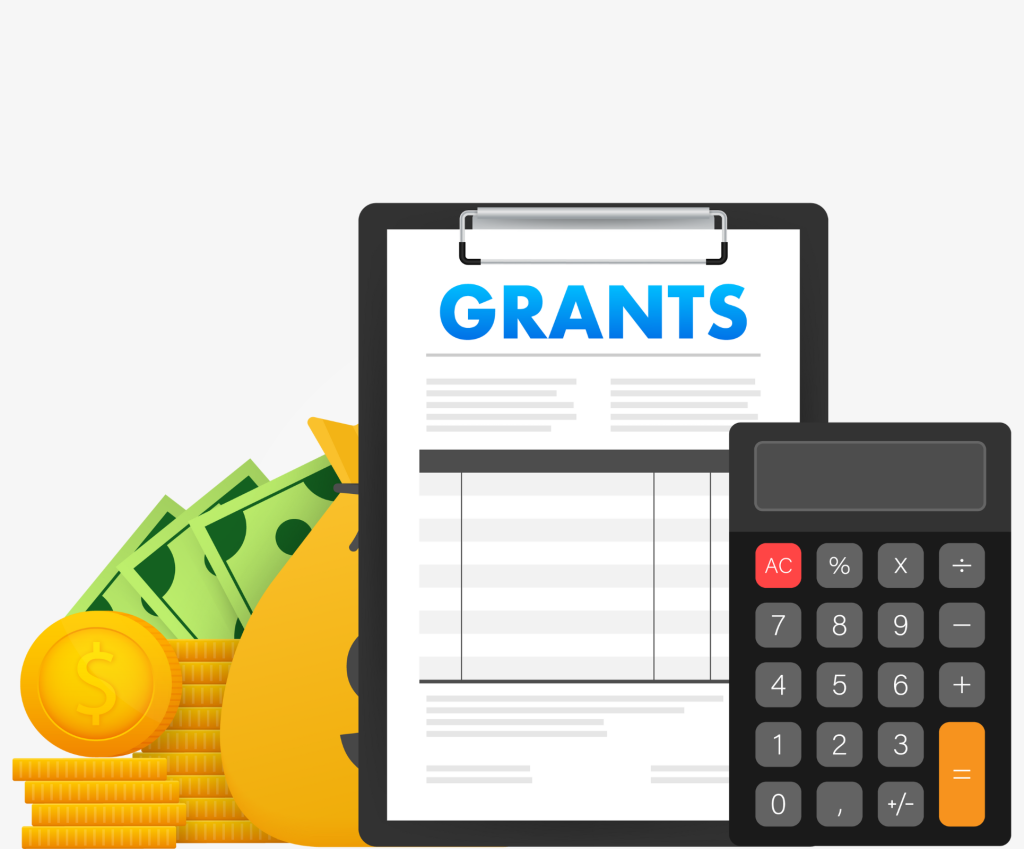
If you’re a small business owner with a lot of financial transactions going on in your business, manually managing finances from assets, liabilities and net value can be daunting and time-consuming. PSG grant accounting software can help you manage your business finances more efficiently and effectively.
As many business owners are still confused about reporting financial statements to ACRA, let us tell you a bit about financial statements that need to be submitted and who is responsible for them.

Every department in a small firm faces obstacles, and the accounting department is no exception. As a business owner, staying on top of your finances takes effort, which is difficult enough when you’re already wearing multiple hats.

A Private limited company needs to comply with more requirements as compared to a Sole proprietorship. In turn, however, a Private limited company provides advantages over a Sole proprietorship in terms of tax savings, better protection of assets and scalability.

Multi-factor authentication is important, as it makes stealing your information harder for the average criminal. The less enticing your data, the more likely that thieves will choose someone else to target. As the name implies, MFA blends at least two separate factors.

More and more accountants and businesses are moving towards cloud-based accounting and with 88% of SMEs demanding cloud solutions, this isn’t something that is going to slow down anytime soon. However, we recognise that many accountants and small business owners feel reluctant about the transition.
MFP Pte.Ltd. in Singapore, CT Hub 2 #07-83, 114 Lavender Street, Singapore 338729


MFP Pte. Ltd. in Singapore, CT Hub 2 #07-83, 114 Lavender Street, Singapore 338729
Our Company
Media
Join Us
Contact Us
MFP Pte. Ltd. in Singapore, CT Hub 2 #07-83, 114 Lavender Street, Singapore 338729