Low Down Company Bookkeeping and Accounts you Must Know
Bookkeeping explained
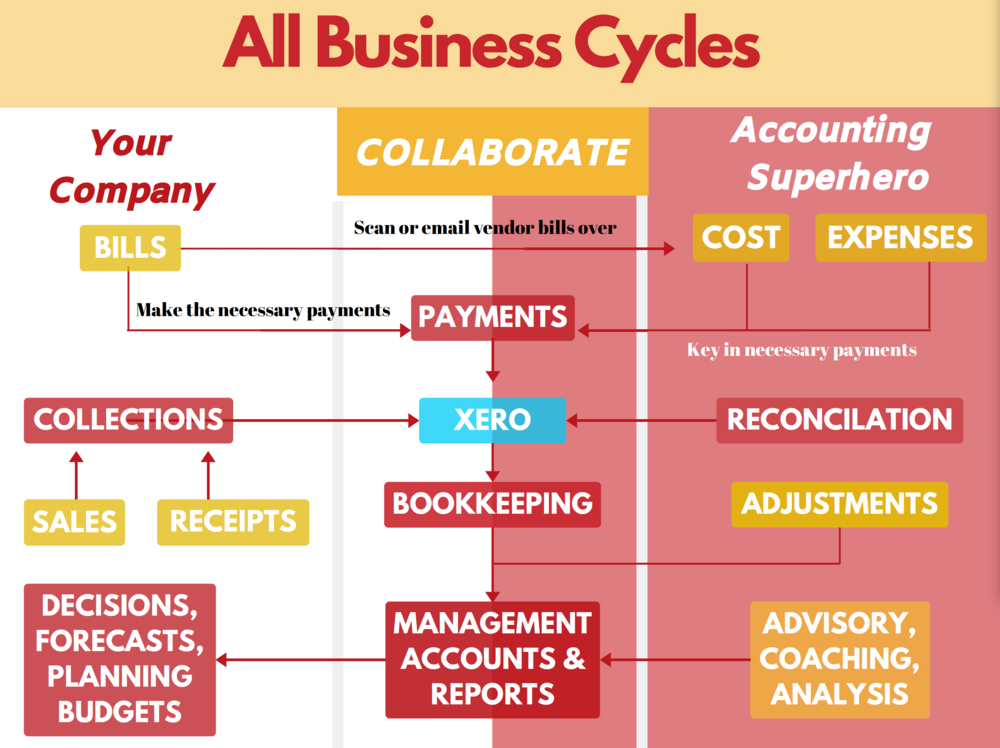
This is the daily upkeep of documents and recording of financial transactions occurring when running a business. Who does this function normally? Well, ideally, get your admin staff to do this function in full. If you are just starting up, whilst there could be many benefits for you to get this done at your end, you may wish to consider getting a part-time admin staff or a freelance bookkeeper to pop over and sort this out for you periodically.
Bookkeeping is often described as the foundation of the accounting process. Every invoice issued, payment received, supplier bill, bank transaction, expense claim, and receipt should be properly recorded.
Think of bookkeeping as maintaining the financial diary of your business. If the information recorded is incomplete or inaccurate, every report generated afterward may also be inaccurate.
For small businesses, bookkeeping can initially seem straightforward. However, as transaction volumes increase, maintaining organized records becomes increasingly important. Without a proper system in place, business owners often find themselves spending valuable hours searching for documents or trying to reconstruct transactions months later.
Whichever path you choose, I think it would be very beneficial if you could attend our Bookkeeping Made Easy course for admin staff and directors. A very hands-on 16-hour course which will get you going in no time.
Training is often overlooked, but even basic bookkeeping knowledge can significantly improve the quality of financial information within a business. When directors and administrative staff understand how transactions should be recorded, the entire accounting process becomes more efficient.
When does accounting come into the picture?
When these records are tallied with bank transactions and other reports such as your e-commerce sales reports etc, reports can be generated and adjustments can be raised to make sure these reports are compliant with Generally Accepted Accounting Principles (GAAP) and Singapore Financial Reporting Standards (SFRS).
This is where accounting moves beyond simple data entry.
Accounting involves reviewing, analysing, and interpreting the financial information collected through bookkeeping. It also includes making necessary adjustments to ensure financial reports accurately reflect the company's performance and financial position.
For example, some expenses may need to be accrued, prepaid expenses may need adjustment, depreciation may need to be calculated, and revenue may need to be recognised according to accounting standards.
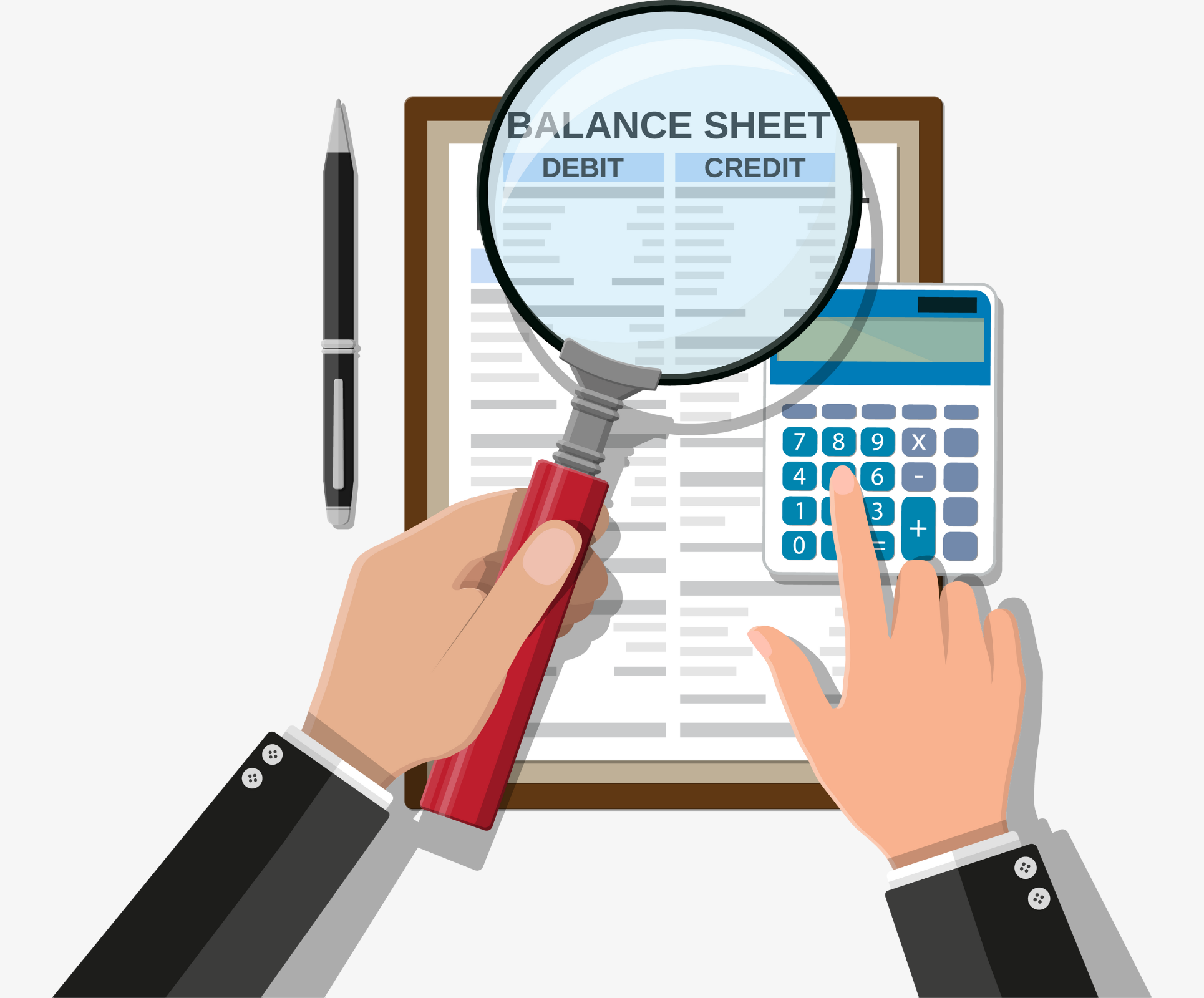
These reports are known as Management Accounts; these comprise at the very least* a Trial Balance, Balance Sheet, Income Statement and Cash Flow Statement. These can be handled totally within your company if you have a full understanding of what’s expected and a fully-functioning Finance Department and CFO.
Management accounts are powerful decision-making tools.
The Income Statement shows whether your business is profitable. The Balance Sheet shows what your business owns and owes. The Cash Flow Statement helps you understand where cash is coming from and where it is being spent.
Without these reports, business decisions are often made based on assumptions rather than facts.

Why are Management Accounts important?
Many SME owners look only at their bank balance when assessing business performance. While cash is important, it does not tell the whole story.
A business may have a healthy bank balance but still be operating at a loss. Conversely, a profitable business may experience cash flow challenges if customers are slow to pay.
Management accounts provide visibility into the financial health of the business and help identify trends before they become serious problems.
Monthly management reporting allows directors to monitor profitability, track expenses, manage cash flow, and make informed strategic decisions.
When should I get this done?
In the past, when things were so much simpler, small companies kept shoe-box accounts i.e. all their receipts and documents folded and chuck into old shoeboxes for a full year, then its off to accountants who will have to draw up everything based on half-rotted and faded thermal documents, directors’ memory and A LOT of guesswork.
While this approach may sound amusing today, many businesses still operate in a similar way by leaving bookkeeping until year-end.
The result is often a stressful and expensive clean-up exercise. Missing invoices, unrecorded expenses, duplicate transactions, and unexplained bank movements become much harder to resolve months after they occur.
This causes a myriad of problems, as you can imagine, from missing documents, unexplained transactions, paying extra taxes due to unsupported expenses and the most dreaded late submissions to ACRA and IRAS which would definitely result in fines (bye-bye to the planned nice dinner at a fancy restaurant).
In addition to penalties and compliance risks, poor record-keeping can negatively impact financing applications, investment opportunities, and even business valuations if you ever decide to sell the company.
What we suggest is:
Bookkeeping - get this done DAILY and update everything into a system. At Accounting Superhero, we heavily recommend using Xero. Your admin staff will love it.
Daily bookkeeping ensures transactions are recorded while information is still fresh and supporting documents are readily available.
Modern cloud-based systems have significantly reduced the effort required to maintain accurate records. Automated bank feeds, invoice management tools, and document storage capabilities help businesses stay organised while reducing manual work.
The real benefit of daily bookkeeping is visibility. Directors gain access to up-to-date financial information rather than waiting until the end of the quarter or financial year.

Accounting - get this done MONTHLY, and by a qualified accountant**, no less. Why? Because this part requires a bit more technical skills which your admin may not be trained in and it makes sense to get a professional involved to ensure the reports generated are accurate, up-to-scratch and dependable for you to make sound business decisions. Makes sense?
Monthly accounting provides an opportunity to identify issues before they become major problems.
Cash flow concerns, declining profit margins, increasing costs, and unusual financial trends can often be identified early through regular financial reviews.
This proactive approach allows management to take corrective action sooner rather than later.
When do I need help?
Whilst some companies choose to wholly outsource this function to external accountants and bookkeeping professionals, we at Accounting Superhero advise a collaborative approach. This will save you time and money, you’ll never have to hire more staff than you really need and you always have a professional external team who will keep things running smoothly no matter how you scale your business.
And very importantly, this approach optimises the partnership between your internal admin staff and a dependable and experienced external CFO in a most cost-effective approach giving you the most value.